
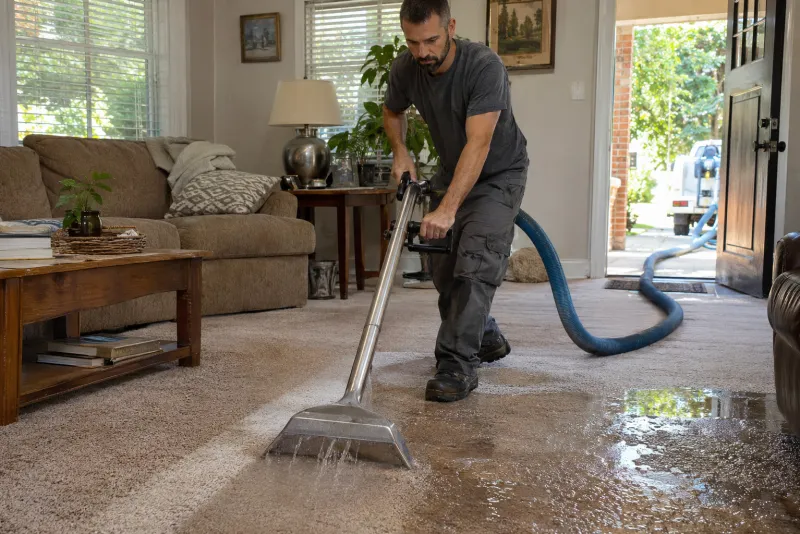
Emergency Water Extraction
Standing water removed before it reaches drywall, baseboards and stored belongings.
Get help
Jonestown homes near Lake Travis need fast help when an unattended leak, lakeside storm or septic backup puts water inside.
Call (512) 555-0143 Or see how to reach dispatch. Calls are answered 24/7.Jonestown lies on the north shore of Lake Travis west of Cedar Park, reached by FM 1431 and local roads that follow the lake terrain. Homes range from older cabins and lake houses to newer hill-country residences on steep lots. Many properties have private septic systems, narrow drives and seasonal occupancy, all of which affect how quickly a water loss is discovered and how equipment reaches the home.
Lake-adjacent humidity can keep a closed-up house or crawlspace damp after a small leak. A burst supply line in a second home can run longer if nobody is present, while storm winds moving across the lake can damage roofs and drop limbs onto structures. Heavy rain also moves rapidly through the hill-country landscape and can overwhelm drainage on a downhill property.
The 2021 freeze was especially hard on homes with exposed plumbing, unheated lake houses and exterior lines. Pipes may run in attics, crawlspaces or outside enclosures, and each location needs a different inspection after a break. A septic backup is another distinct risk that calls for containment and removal, not ordinary carpet drying.
Lake setting, steep ground and unoccupied homes can turn a small source into a larger drying project.
Second homes and vacation properties may sit empty. A refrigerator line, water heater or frozen pipe can keep running until a neighbor or owner checks the house.
Wind and hail crossing Lake Travis can damage shingles, vents and tree limbs. Water often enters the attic first and shows indoors after insulation is saturated.
Downhill drives and shallow swales can direct intense rain toward a lower door or wall. The source may be outside even though the wet material is inside.
Older lake homes can rely on septic and vented crawlspaces. A backup or persistent dampness needs containment, cleaning and measured drying.
For a lake home, a post-storm or post-freeze check can catch a loss before humidity and hidden water create secondary damage.
The same crew handles extraction, drying, contamination cleanup and the repair.
Standing water removed before it reaches drywall, baseboards and stored belongings.
Get help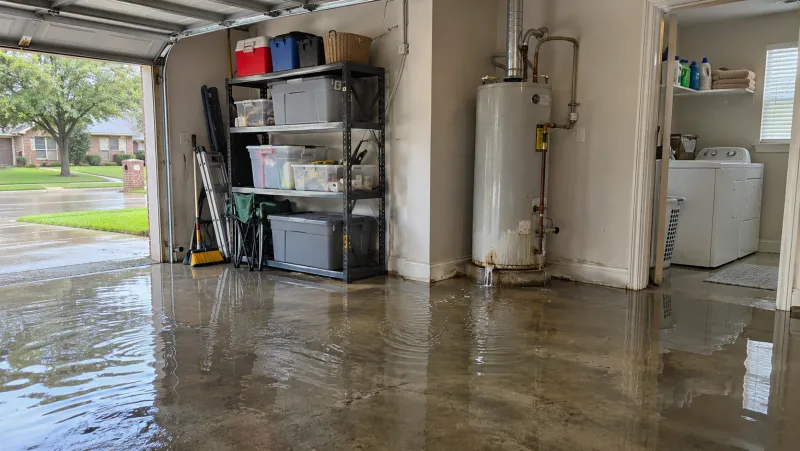
Leaks below the slab, wet wall bottoms and runoff collecting near a foundation.
Get help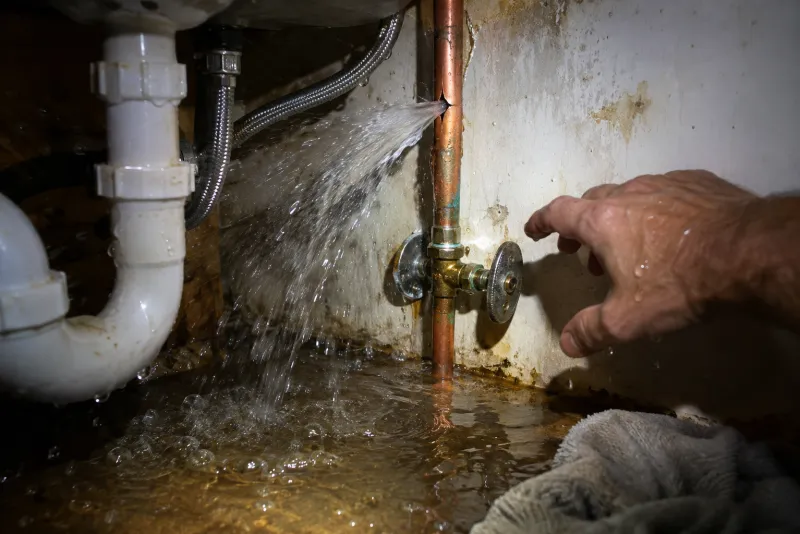
Freeze-damaged pipes, attic line breaks and ceiling stains traced to the source.
Get help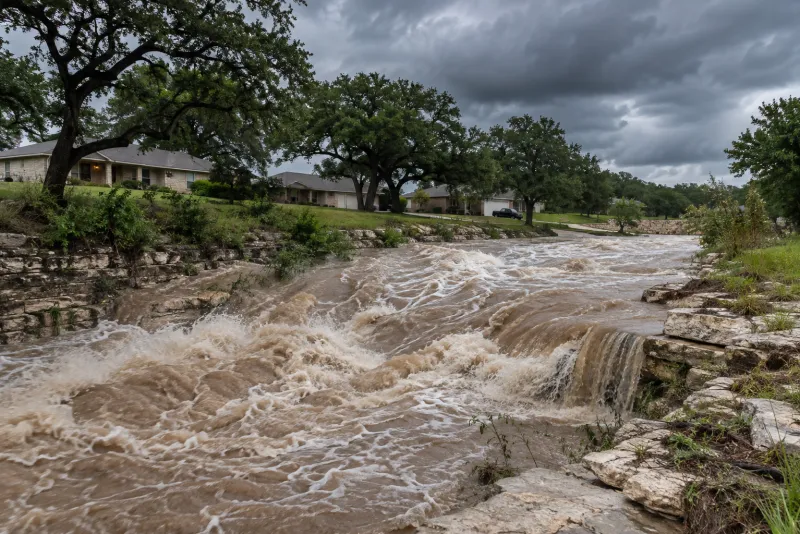
Wind-driven rain, hail-damaged roofs and ceiling leaks after a Hill Country storm.
Get help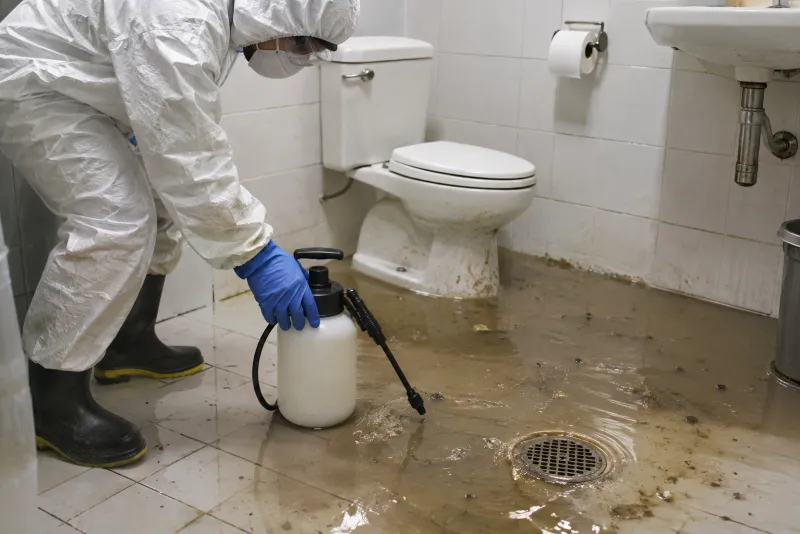
Contaminated water handled with containment, PPE and appropriate disinfection.
Get help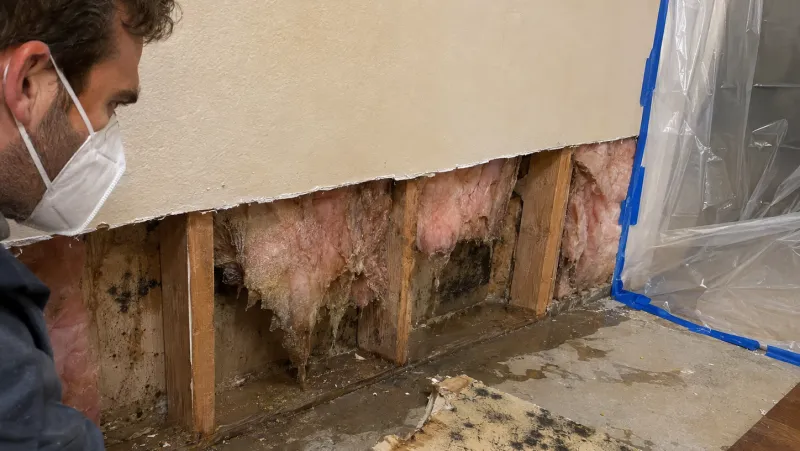
Containment, HEPA filtration and repairs after the structure is dry.
Get helpLocal knowledge matters when the housing stock changes block by block.
78645 · Older lake-area homes. Aging plumbing, steep drives and roof drainage.
78645 · Homes near Lake Travis recreation. Storm exposure and seasonal occupancy.
78645 · Residential and small commercial sites. Roof, supply-line and HVAC condensate losses.
78645 · Sloped lots and newer homes. Runoff, slab drainage and attic equipment.
78645 · Second homes and cabins. Freeze risk, humidity and delayed leak discovery.
78645 · Rural properties. Septic backups, wells and exterior supply lines.
These are the signs that usually justify a moisture inspection rather than a wait-and-see approach.
Send a photo or describe what changed. We will tell you whether it needs a visit today.
Call now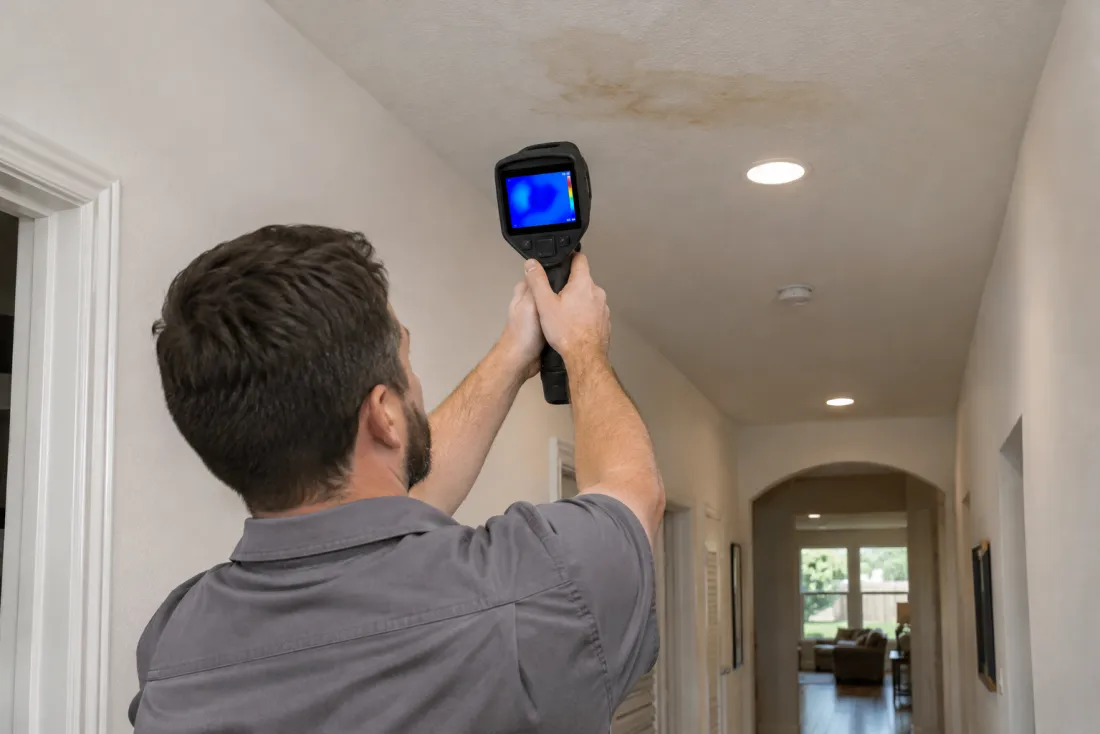
No mystery, no pressure. Here is the sequence from the first call to the final reading.
We confirm the address, the source and whether the water is contaminated. You get safety guidance before the crew leaves.
Moisture meters and thermal imaging map the affected area. We photograph materials and record readings.
Standing water is extracted. Saturated carpet, pad and material that cannot dry in place are removed and documented.
Equipment is sized to the space and checked daily. Drying continues until readings meet the dry standard.
Drywall, trim, flooring and paint are scoped after drying and insurance review.
We reach Jonestown by FM 1431 and serve homes around Jones Brothers Park, the north-shore hills and lake-view neighborhoods.
Let dispatch know about steep driveways, gates, limited parking or a property manager who can provide access.
Use the map link for the general area. For a crew response, call and give the exact address, gate code and any access notes.
Open area mapLocal answers, not a national script.
Yes. We can coordinate access with an authorized owner, neighbor or property manager and provide documentation of the affected areas and drying progress.
Stop using water, keep people and pets out of the affected space and call. We contain and remove contaminated materials while a septic professional addresses the system.
Humidity slows natural drying, especially in closed homes and crawlspaces. Prompt extraction and dehumidification reduce the time materials remain wet.
They can affect equipment access, which is why details about the drive, gate and parking are helpful before dispatch.
Request service
Call for active water, estimates, scheduling and questions. If water is near outlets, a panel or a gas appliance, leave the area and call from a safe place.
One call gets you shutoff guidance, an arrival window and a plan for Jonestown. Have your address and any insurance claim number ready.
Call (512) 555-0143Tap to call from your phone.
Call now. We will tell you what to shut off, what to move and what to leave alone until the crew arrives.
Call (512) 555-0143