
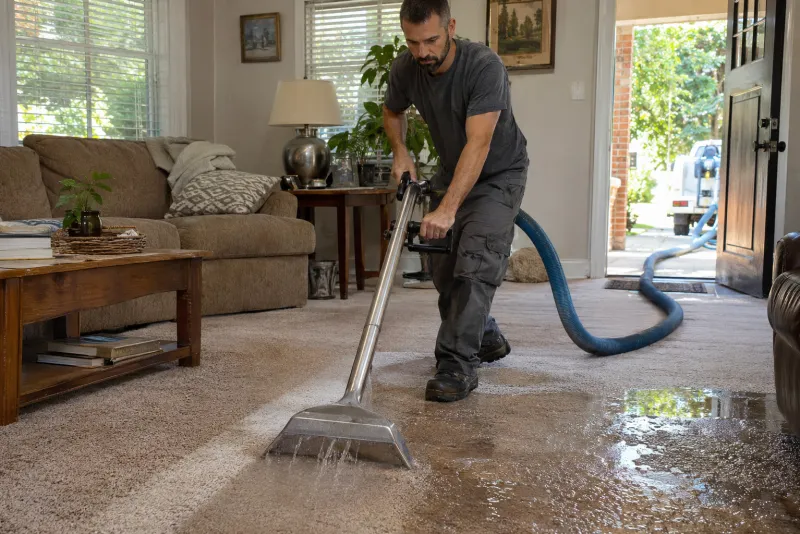
Emergency Water Extraction
Standing water removed before it reaches drywall, baseboards and stored belongings.
Get help
Leander homes range from older town neighborhoods to hill-country subdivisions, so the water source can be below the slab, above the ceiling or rushing down a sloped lot.
Call (512) 555-0143 Or see how to reach dispatch. Calls are answered 24/7.Leander has grown outward from its historic downtown beside US 183, with Crystal Falls, Travisso and newer neighborhoods spreading across limestone shelves and rolling ground. The MetroRail station and 183A Toll bring traffic through town, but the homes just off those routes often sit on sloped lots where runoff needs a clear path away from the slab.
Older houses near the original town can have aging supply lines and remodel-era plumbing. Newer two-story homes add upstairs laundry rooms, attic HVAC condensate lines and water heaters that can affect more than one level when they fail. Many properties are slab-on-grade, so a leak below the floor may first show as warm flooring, lifting trim or an unexplained water bill.
Heavy rain can move quickly across the Hill Country terrain and collect at patio doors, garages and low side yards. Hail and wind can also damage roof coverings before water appears at the ceiling. During the February 2021 freeze, exposed and attic plumbing across Leander was vulnerable to burst-pipe losses after temperatures recovered.
Leander calls often start with a plumbing failure, a roof opening or water that followed the slope toward the home.
Rocky slopes and fast rainfall can send water toward garages, patios and lower walls. A blocked drain or poor grade turns a short storm into an interior water problem.
Two-story subdivision homes can hide a leaking supply line or condensate drain above finished ceilings. Water travels along framing and may show up several feet from the source.
Movement in clay and shallow limestone soils can stress below-slab plumbing. Warm flooring, loose baseboards and a water bill increase are reasons to investigate promptly.
Spring hail can compromise a roof, while hard freezes threaten pipes in attics and exterior walls. Both losses need moisture mapping after the visible source is repaired.
The visible wet spot is only the starting point. Drying decisions should follow the path water took through the structure.
The same crew handles extraction, drying, contamination cleanup and the repair.
Standing water removed before it reaches drywall, baseboards and stored belongings.
Get help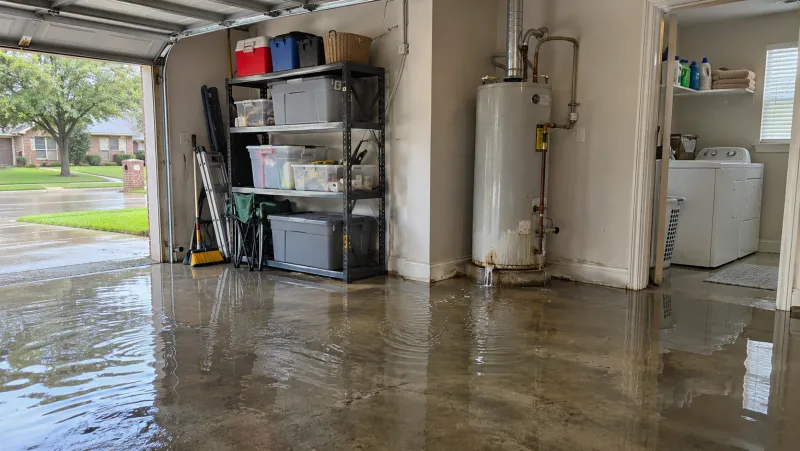
Leaks below the slab, wet wall bottoms and runoff collecting near a foundation.
Get help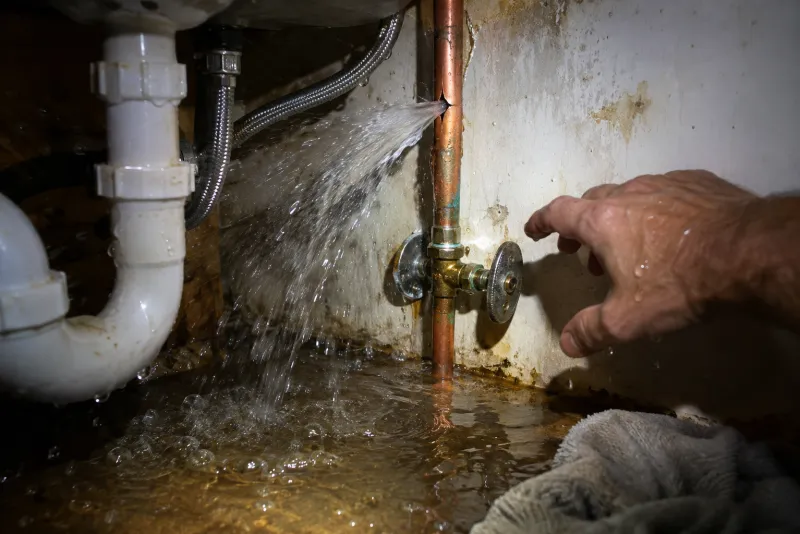
Freeze-damaged pipes, attic line breaks and ceiling stains traced to the source.
Get help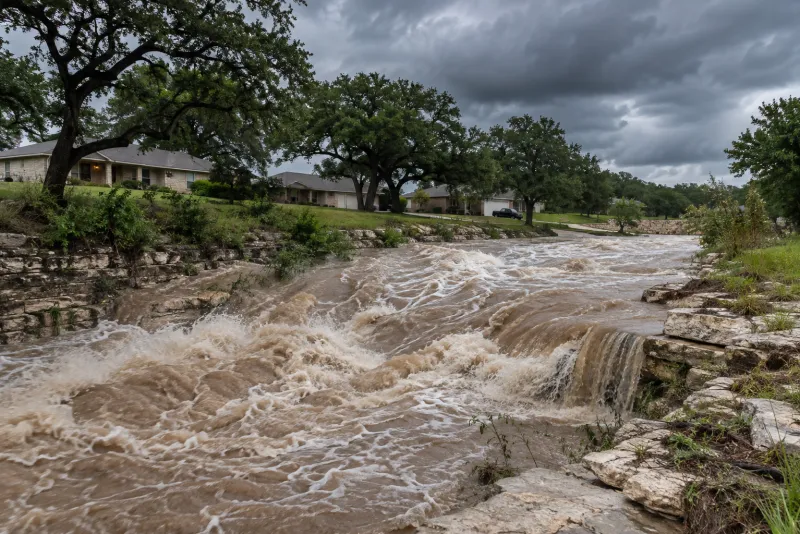
Wind-driven rain, hail-damaged roofs and ceiling leaks after a Hill Country storm.
Get help
Contaminated water handled with containment, PPE and appropriate disinfection.
Get help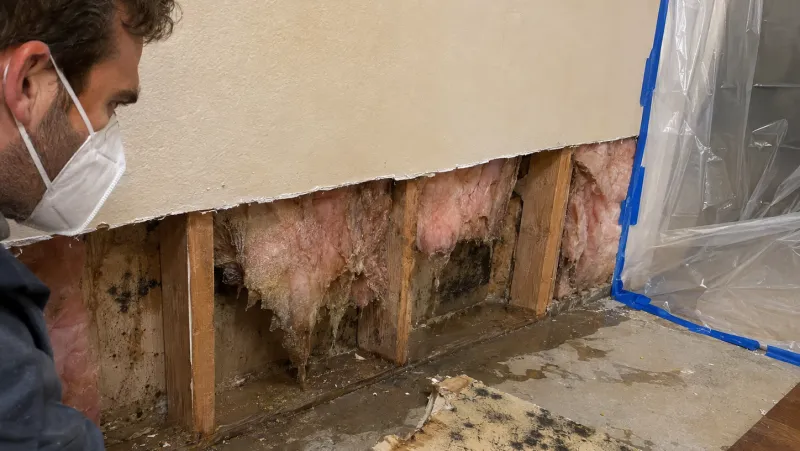
Containment, HEPA filtration and repairs after the structure is dry.
Get helpLocal knowledge matters when the housing stock changes block by block.
78641 · Hillside homes and greenbelt lots. Runoff, roof drainage and attic leaks.
78641 · Established homes near the rail station. Aging supply lines and remodel plumbing.
78641 · Newer hillside subdivision. Upstairs fixture leaks and stormwater management.
78641 · Recent homes near 183A. Water heaters, appliance hoses and attic condensate.
78641 · Newer slab homes and community drainage features. Interior supply leaks and roof runoff.
78641 · Mixed residential and commercial properties. Roof drains and plumbing failures.
These are the signs that usually justify a moisture inspection rather than a wait-and-see approach.
Send a photo or describe what changed. We will tell you whether it needs a visit today.
Call now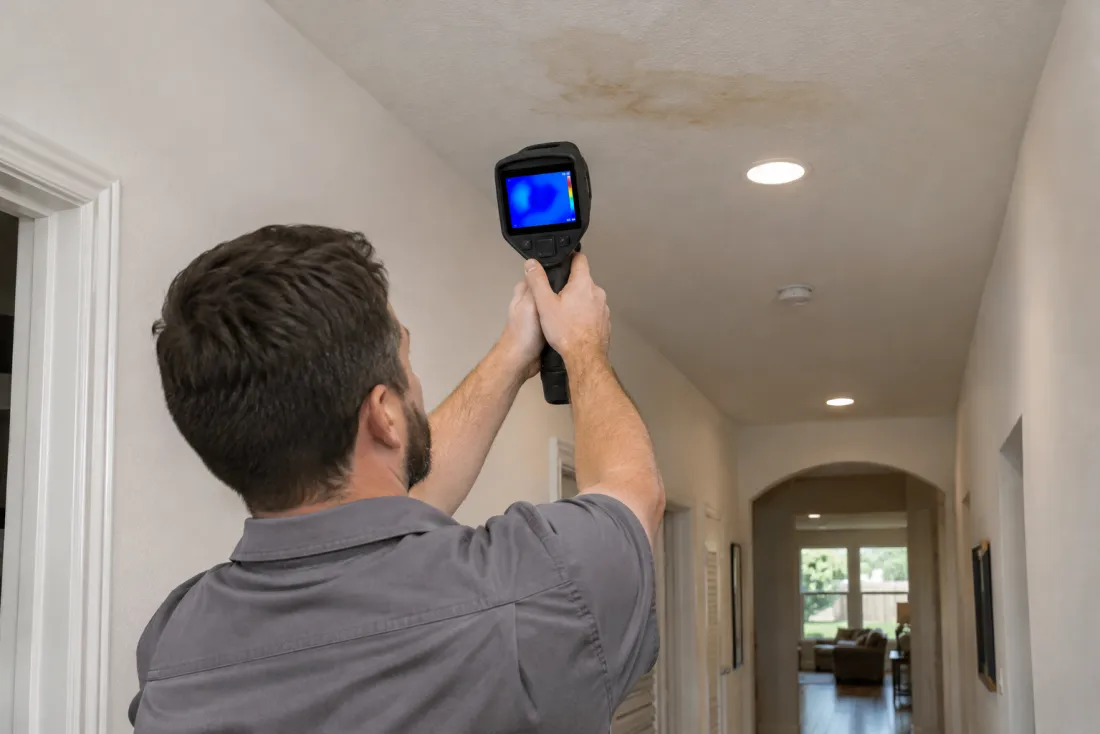
No mystery, no pressure. Here is the sequence from the first call to the final reading.
We confirm the address, the source and whether the water is contaminated. You get safety guidance before the crew leaves.
Moisture meters and thermal imaging map the affected area. We photograph materials and record readings.
Standing water is extracted. Saturated carpet, pad and material that cannot dry in place are removed and documented.
Equipment is sized to the space and checked daily. Drying continues until readings meet the dry standard.
Drywall, trim, flooring and paint are scoped after drying and insurance review.
We reach Leander by US 183 and 183A, serving homes around the rail station, Crystal Falls and the west-side subdivisions.
Tell dispatch about gates, steep drives or construction traffic so the crew arrives with appropriate access and equipment.
Use the map link for the general area. For a crew response, call and give the exact address, gate code and any access notes.
Open area mapLocal answers, not a national script.
Yes. We extract standing water, check adjacent walls and flooring, and set drying equipment based on moisture readings. Correcting the outside drainage prevents the same path from flooding again.
Yes. We serve both established Leander homes and newer subdivisions, including properties with slopes, gates and HOA access requirements.
Shut off water to the fixture or the main valve if it is safe, avoid wet light fixtures, and call. We inspect the ceiling cavity and the rooms below instead of treating only the visible stain.
It can if insulation or wall cavities stay wet. We dry affected assemblies and remove material that cannot be returned to a dry condition.
Request service
Call for active water, estimates, scheduling and questions. If water is near outlets, a panel or a gas appliance, leave the area and call from a safe place.
One call gets you shutoff guidance, an arrival window and a plan for Leander. Have your address and any insurance claim number ready.
Call (512) 555-0143Tap to call from your phone.
Call now. We will tell you what to shut off, what to move and what to leave alone until the crew arrives.
Call (512) 555-0143