
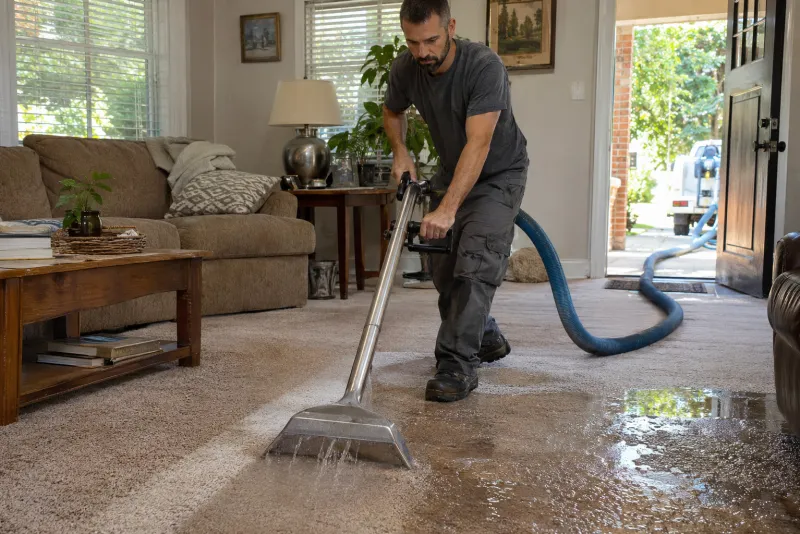
Emergency Water Extraction
Standing water removed before it reaches drywall, baseboards and stored belongings.
Get help
Pflugerville's older core and extensive newer development both need rapid drying after a pipe, appliance, storm or sewer problem.
Call (512) 555-0143 Or see how to reach dispatch. Calls are answered 24/7.Pflugerville has grown from its historic downtown into a large north Austin suburb served by SH 130, FM 1825 and the Pecan Street corridor. Housing includes older homes near the original town, large planned communities such as Falcon Pointe and Blackhawk, and new construction along the east side. Water damage often reflects that mix of building ages and layouts.
In newer two-story homes, laundry rooms, bathrooms and refrigerators can create a water path through ceilings and walls below. In older houses, aging water-heater connections, drain lines and exterior hose bibs are common concerns. Nearly all of these properties use slab foundations, where clay movement and heat can complicate drainage and below-floor plumbing symptoms.
Lake Pflugerville and local drainage channels are recreational and stormwater features, but intense rain can turn a low yard or street-side drainage route into an interior issue. Hailstorms can expose roofing, and the 2021 freeze left many area homes with split pipes in unconditioned spaces. Fast extraction helps preserve flooring and wall materials after the source is stopped.
The apparent source may be only one part of the loss when water has travelled through a two-story home or under a slab floor.
A failed toilet supply, shower pan or washing-machine hose can move water into ceilings, insulation and walls on the first floor before a homeowner sees a stain.
Clay soils expand and contract, which can affect grades around a slab and place stress on plumbing connections. Water may appear as a floor or wall-bottom problem rather than a visible pipe break.
Hail and wind can compromise roof materials, while heavy rain can collect at low exterior entries. The cleanup approach depends on whether water came from the roof, ground or plumbing.
A blocked or overloaded line can send contaminated water to the lowest fixture. Containment and removal are necessary before the area can be disinfected and rebuilt.
We track where water travelled, not just where it first became visible, so drying and repairs cover the actual loss.
The same crew handles extraction, drying, contamination cleanup and the repair.
Standing water removed before it reaches drywall, baseboards and stored belongings.
Get help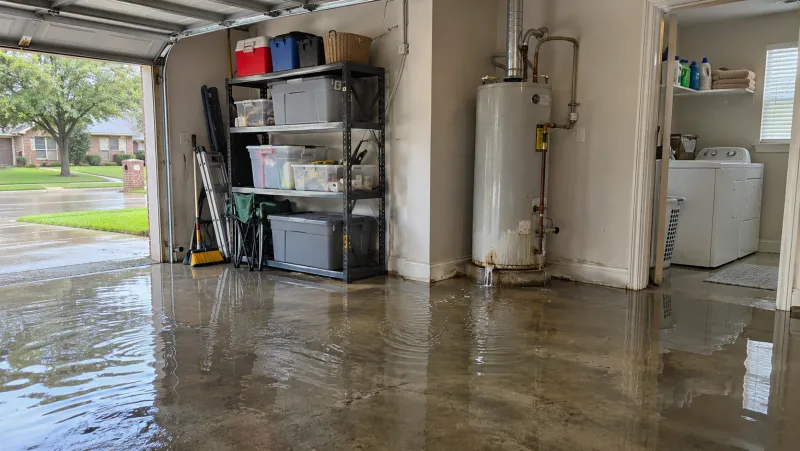
Leaks below the slab, wet wall bottoms and runoff collecting near a foundation.
Get help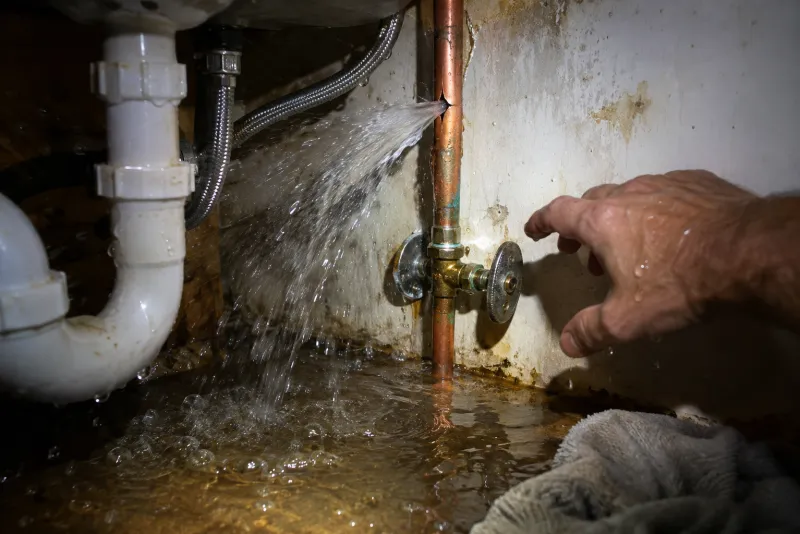
Freeze-damaged pipes, attic line breaks and ceiling stains traced to the source.
Get help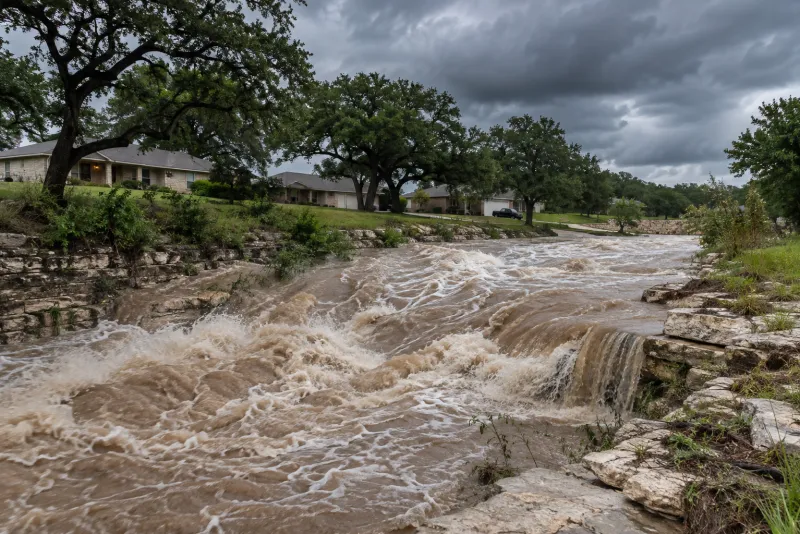
Wind-driven rain, hail-damaged roofs and ceiling leaks after a Hill Country storm.
Get help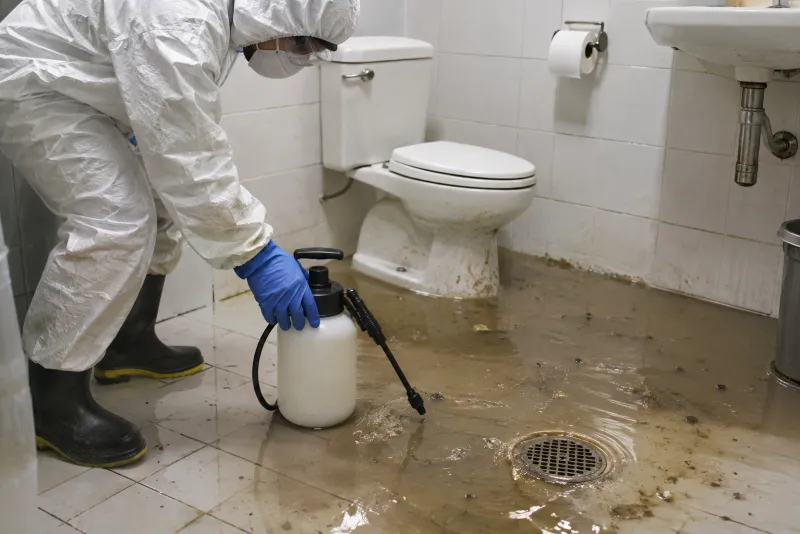
Contaminated water handled with containment, PPE and appropriate disinfection.
Get help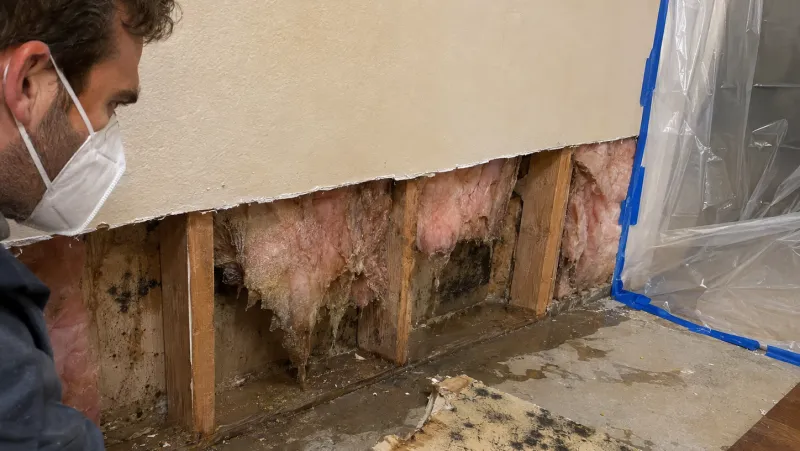
Containment, HEPA filtration and repairs after the structure is dry.
Get helpLocal knowledge matters when the housing stock changes block by block.
78660 · Older homes and businesses near Pecan Street. Aging lines and roof leaks.
78660 · Planned community. Upstairs plumbing, appliance hoses and HOA access.
78660 · Large residential area. Water heaters, attic lines and storm roof damage.
78660 · Homes near the reservoir. Drainage, surface-water awareness and roof runoff.
78660 · Established neighborhood. Older fixtures, slab leaks and sewer backups.
78660 · Newer housing and commercial sites. Sprinkler, roof and supply-line losses.
These are the signs that usually justify a moisture inspection rather than a wait-and-see approach.
Send a photo or describe what changed. We will tell you whether it needs a visit today.
Call now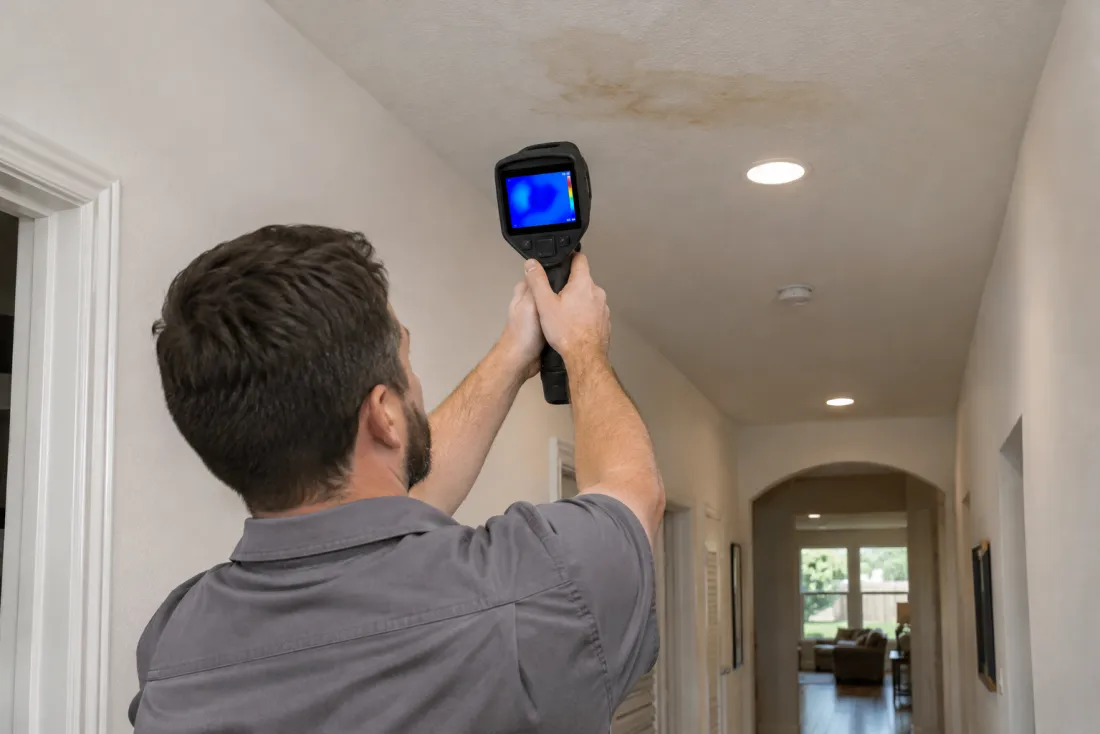
No mystery, no pressure. Here is the sequence from the first call to the final reading.
We confirm the address, the source and whether the water is contaminated. You get safety guidance before the crew leaves.
Moisture meters and thermal imaging map the affected area. We photograph materials and record readings.
Standing water is extracted. Saturated carpet, pad and material that cannot dry in place are removed and documented.
Equipment is sized to the space and checked daily. Drying continues until readings meet the dry standard.
Drywall, trim, flooring and paint are scoped after drying and insurance review.
We serve Pflugerville from Pecan Street and established neighborhoods to Lake Pflugerville, Blackhawk and the SH 130 corridor.
For managed communities or commercial properties, share gate codes, building contacts and any access requirements with dispatch.
Use the map link for the general area. For a crew response, call and give the exact address, gate code and any access notes.
Open area mapLocal answers, not a national script.
Yes. We inspect the laundry area, ceiling below, wall cavities and nearby flooring, then remove water and set drying equipment based on measured conditions.
Yes. We work in planned communities and coordinate with residents, property contacts and HOA access requirements.
Stop using water, isolate the area and call. Sewage is contaminated water, so affected porous materials are removed and the area is cleaned and disinfected.
Yes. Water can travel through insulation and along framing before it stains a ceiling. Moisture readings help identify the actual affected area.
Request service
Call for active water, estimates, scheduling and questions. If water is near outlets, a panel or a gas appliance, leave the area and call from a safe place.
One call gets you shutoff guidance, an arrival window and a plan for Pflugerville. Have your address and any insurance claim number ready.
Call (512) 555-0143Tap to call from your phone.
Call now. We will tell you what to shut off, what to move and what to leave alone until the crew arrives.
Call (512) 555-0143